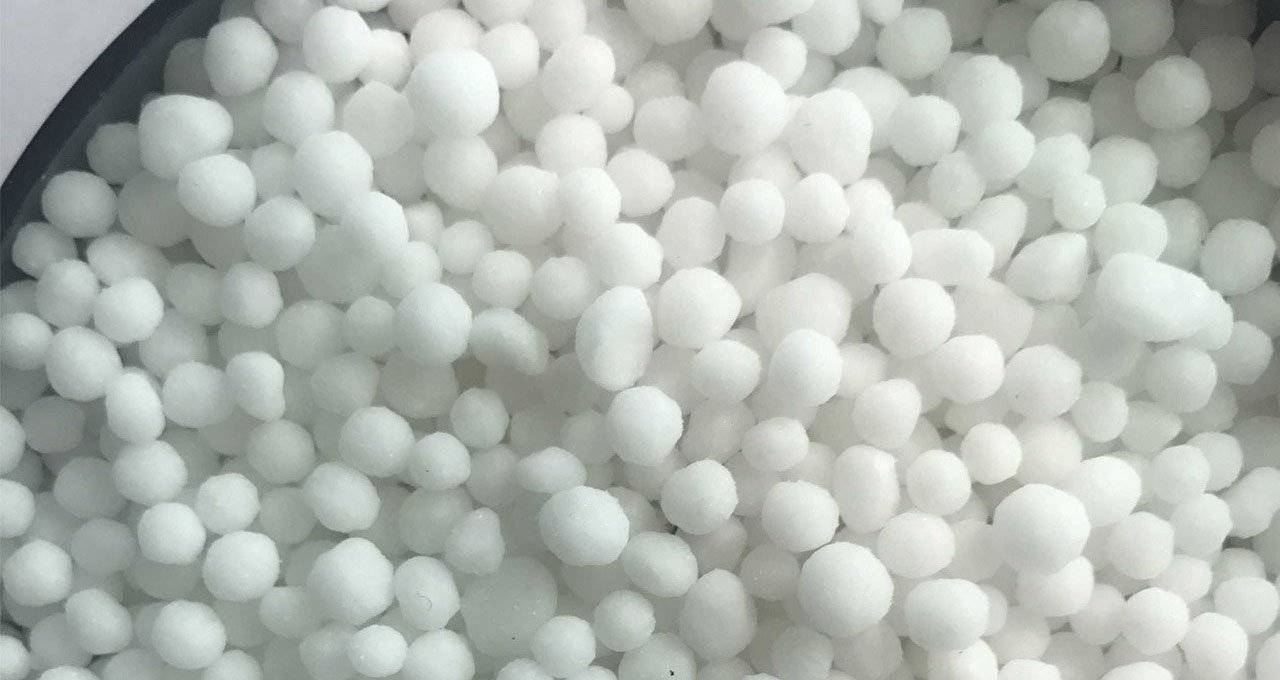
- Name: Coated Granular Urea
- Group: Granular Urea
- Particle Size mm: 2-4
- Biuret: 0.94
- Formaldehyde: 0.55
- Equivalents: Agricultural Granular Urea
- Shape (form): Granule
- HS Code: 31021000
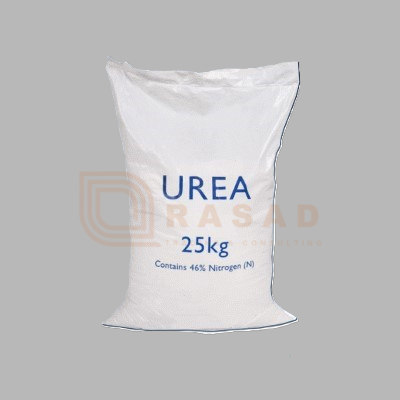
- Packaging: Break Bulk or 50-1000 kg Jumbo bags
- Manufacturer: Khorasan and Shiraz Petrochemical Companies
- High nitrogen content
It contains 46% nitrogen, making it the highest nitrogen content among solid fertilizers. This high concentration ensures a potent nutrient source, essential for promoting vigorous plant growth and enhancing crop yield.
- Superior flow and spread characteristics
It offers better flow and spreading properties compared to prilled urea. Its larger particle size allows for more uniform application, reducing the risk of clumping and ensuring efficient coverage over large areas.
- Slow release of nitrogen
The slow-release nature of granular urea means it provides a steady supply of nitrogen to plants. This gradual release helps minimize nitrogen loss through volatilization and leaching, ensuring more efficient nutrient utilization.
- Application versatility
Can be applied directly to the soil or mixed with other fertilizers like phosphate and potash. This flexibility makes it suitable for creating a balanced NPK fertilizer mix, catering to various plant nutrient needs.
- Coverage and application rates
Typical application rates range from 15-30 grams per square meter, with 1 kg covering 33-66 square meters. This provides precise and efficient nutrient application, suitable for both hand spreading and mechanical spreaders.
- Physical durability
Granular urea (coated) features larger and more robust particles compared to prilled urea. This durability reduces breakage and ensures consistent application, enhancing its effectiveness and longevity in the soil.
- Raw material for fertilizer production
Granular urea is a key ingredient in the production of various other fertilizers. Its high nitrogen content makes it an essential component for creating blended or specialized fertilizers, enhancing nutrient delivery for diverse agricultural needs.
- Manufacturing of melamine
Used in the production of melamine through a reaction with formaldehyde. Melamine is a crucial component in melamine-methanal resins, which are used for durable coatings, laminates, and kitchenware, benefiting from urea’s chemical properties.
- Formation of urea-formaldehyde resin
Granular urea is used in synthesizing urea-formaldehyde resin. This resin is vital in manufacturing adhesives, particleboard, and other wood products, providing strong bonding and durability in industrial applications.
- Reducing air pollution
Coated granular urea is employed in the reduction of nitrogen oxides (NOx) emissions from diesel engines. It is used in Selective Catalytic Reduction (SCR) systems, where it reacts with NOx to produce nitrogen and water, thus mitigating air pollution from vehicles.
- Agricultural fertilizer
It is applied to grass early in the growing season to promote healthy, early-season growth or used for top-dressing cereals later in the season. The high nitrogen content supports robust plant growth and improves crop yield, making it a versatile agricultural tool.
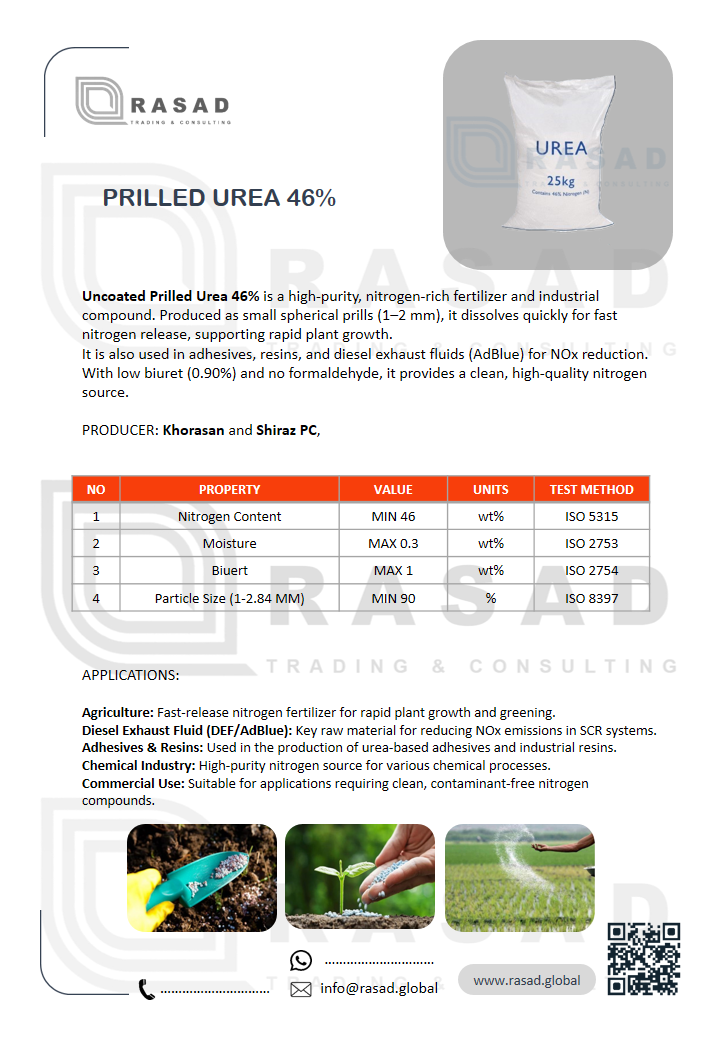
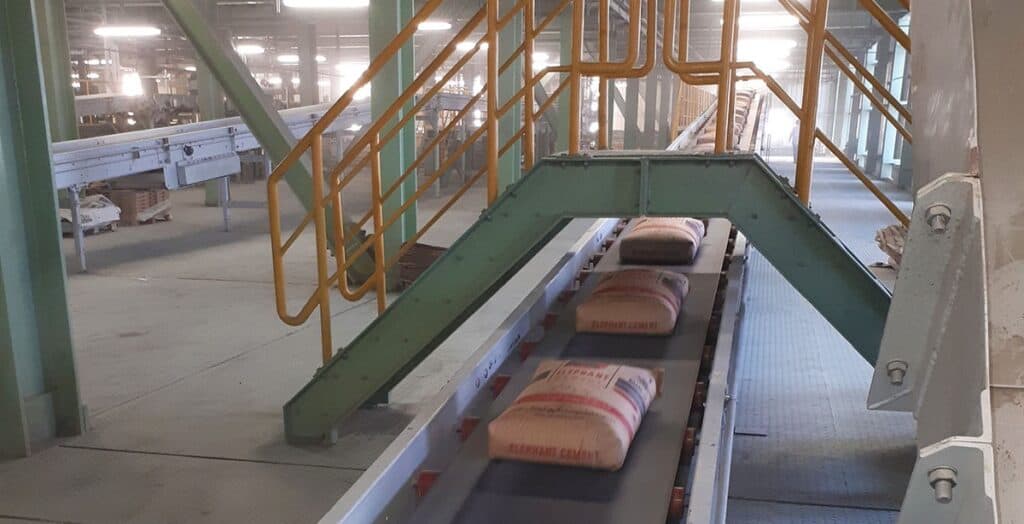
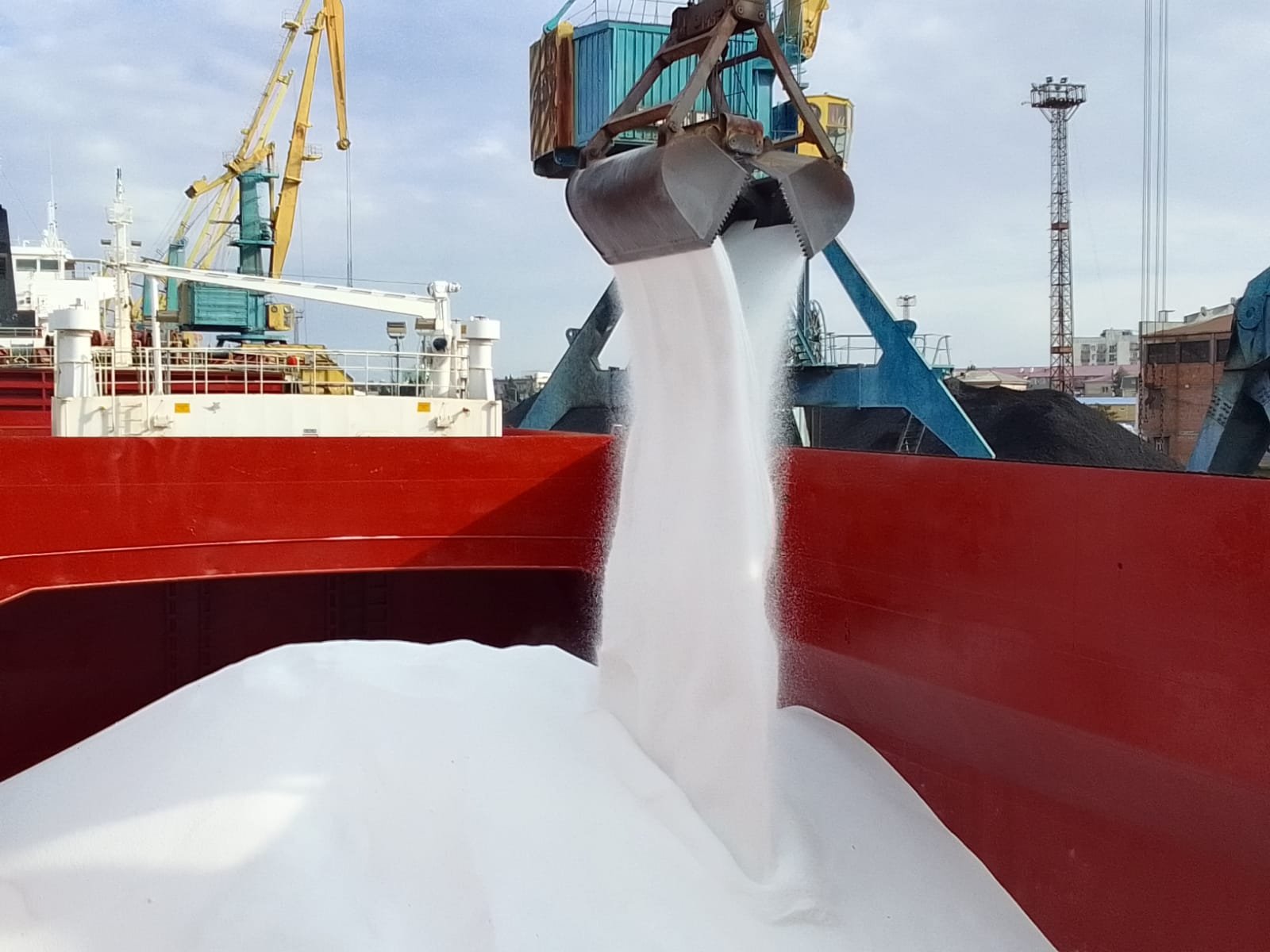
Urea is typically packaged in two main ways to meet different logistical needs: Break Bulk and Jumbo Bags. In the Break Bulk method, urea is shipped without a container, allowing for larger quantities to be transported in loose form. This method is often used for bulk shipments, where the urea is directly loaded into the ship’s hold or other large-scale transportation means. Jumbo Bags, on the other hand, are containerized, where urea is packed into large 50 to 100-kilogram bags. These bags are secured in shipping containers, providing ease of handling, better protection from environmental factors, and increased flexibility in transport. Jumbo bags are often preferred for smaller deliveries or when enhanced handling is necessary at the destination.When it comes to the delivery of urea, there are several terms that define the responsibilities between the buyer and seller. FCA (Free Carrier) implies that the seller is responsible for delivering the urea to a specified location, such as a warehouse or terminal, after which the buyer takes over transportation. Buyer ex-warehouse signifies that the buyer picks up the goods directly from the seller’s warehouse, taking responsibility for further shipment. FOB (Free on Board) indicates that the seller’s responsibility includes loading the urea onto a vessel chosen by the buyer, after which the risk passes to the buyer. Lastly, CFR (Cost and Freight) means the seller covers the cost of transporting the urea to the destination port, but the risk passes to the buyer once the goods are on board the ship.These delivery terms and packaging methods offer flexibility depending on the quantity of urea being transported and the logistical arrangements required for both domestic and international shipments.
Global oil prices are variable, meaning there is no stable and specific price for Technical grade granule urea Please contact us to inquire about the daily prices. You can also find price changes of this material in the chart provided in this section.
Price Inquiry