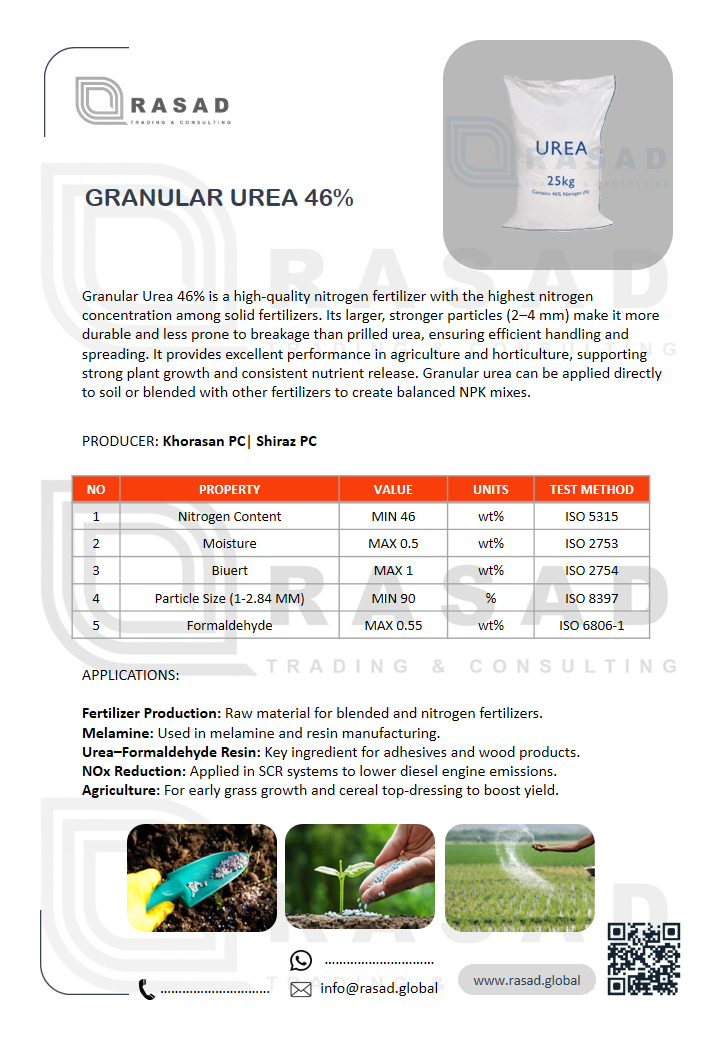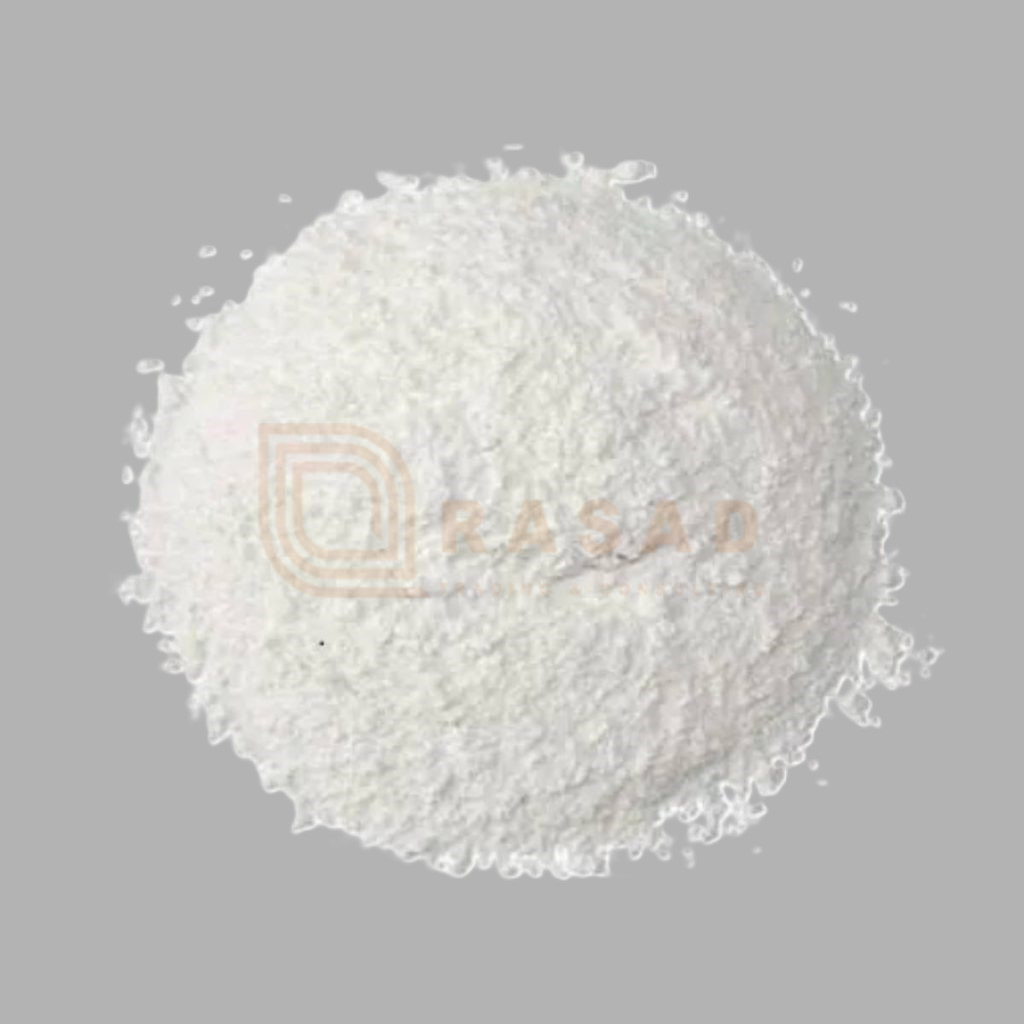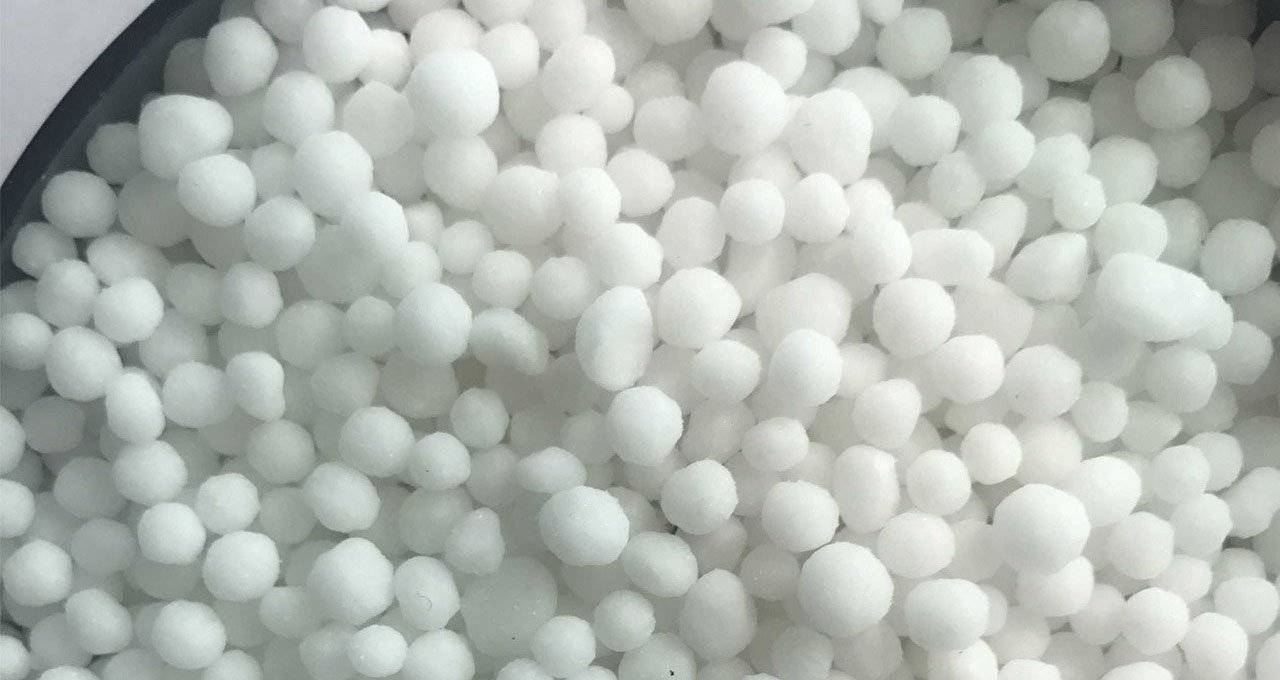
- Name: Uncoated Granular Urea
- Group: Granular Urea
- Particle Size mm: 2-4
- Biuret: 0.90%
- Formaldehyde: NIL
- Equivalents: Automotive granule urea |Technical grade prilled urea
- Shape (form): Granule
- HS Code: 31021000
- Packaging: Break Bulk or 50-1000 kg Jumbo bags
- Manufacturer: Khorasan and Shiraz Petrochemical Companies
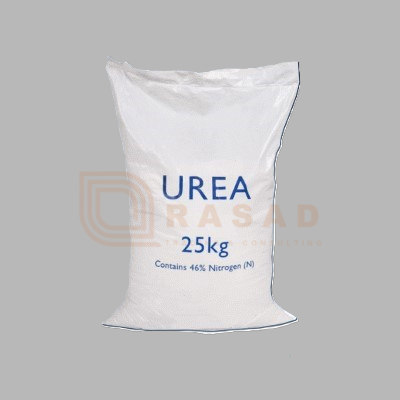
- High nitrogen content (46%)
Uncoated urea provides a concentrated source of nitrogen, which is crucial for plant growth and productivity. Its high nitrogen content ensures plants’ rapid uptake, stimulating vegetative growth and improving overall crop yield and quality.
- Versatile usage
Suitable for applications in agriculture, chemical, and pharmaceutical industries, uncoated granular urea’s versatility makes it a key nitrogen source for fertilizers, industrial chemicals, and even diesel exhaust fluids, showcasing its adaptability across various sectors.
- Easily soluble
Automotive granular urea dissolves quickly in water, facilitating easy application. Its high solubility allows for efficient and uniform distribution when applied through irrigation systems or directly onto the soil, enhancing its effectiveness as a fertilizer.
- Pure and uncoated
Free from coatings, uncoated granular urea ensures minimal impurities. This purity is especially important for sensitive applications, such as in industrial chemical production or pharmaceuticals, where contaminants could affect the product’s performance or safety.
- Consistent quality
Chemically stable and reliable under normal storage conditions, uncoated granular urea maintains its quality over time. This stability ensures consistent performance, making it a dependable choice for industries that require predictable, high-quality nitrogen sources.
Uncoated, Automotive, or Technical Granular Urea has a variety of applications across different industries due to its high nitrogen content and solubility. Here’s a list of its primary uses:
- Production of AdBlue
AdBlue is a diesel exhaust fluid (DEF) that contains high-purity urea (typically around 32.5%) and deionized water (67.5%). The urea in AdBlue reacts with NOx in the exhaust gas, converting it into nitrogen and water, thereby reducing harmful emissions.
- Agricultural fertilizer
Uncoated granular urea is commonly used as a nitrogen fertilizer in agriculture. Its fast-dissolving properties make it suitable for crops that require immediate nitrogen availability for rapid growth and development.
- Industrial applications
In industries, it serves as a chemical intermediate in the production of resins, plastics, and other chemical formulations. Uncoated granular urea is essential for the manufacture of adhesives like urea-formaldehyde.
- Pharmaceuticals
Urea is incorporated into various medicinal formulations for its therapeutic properties, including as a keratolytic agent used in dermatology to treat dry or rough skin conditions.
- Laboratory use
In laboratories, uncoated granular urea is employed for research and testing purposes. Its stable, high-purity form makes it suitable for controlled experiments and chemical reactions.
- Resin production
It is integral to producing urea-formaldehyde resins, which are widely used in wood products, particleboard, and laminates, as well as in various adhesives.
- Food industry
Uncoated urea may be used in specific food processing applications, although this is less common compared to other applications.
- Cosmetics
Urea is found in cosmetic products for its hydrating and exfoliating properties. It is used in creams, lotions, and other skincare items for moisturizing dry skin.
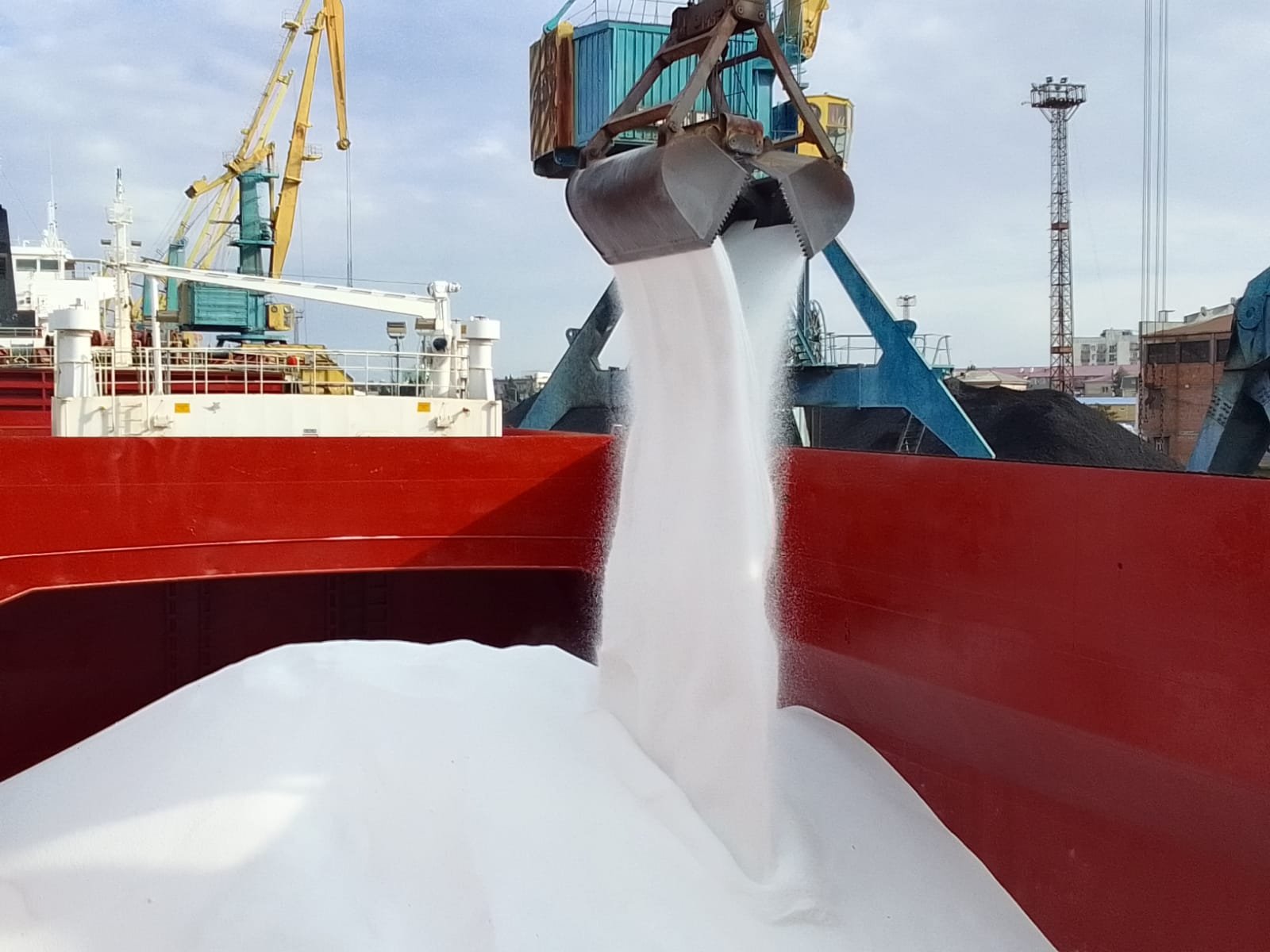
Urea is typically packaged in two main ways to meet different logistical needs: Break Bulk and Jumbo Bags. In the Break Bulk method, urea is shipped without a container, allowing for larger quantities to be transported in loose form. This method is often used for bulk shipments, where the urea is directly loaded into the ship’s hold or other large-scale transportation means. Jumbo Bags, on the other hand, are containerized, where urea is packed into large 50 to 100-kilogram bags. These bags are secured in shipping containers, providing ease of handling, better protection from environmental factors, and increased flexibility in transport. Jumbo bags are often preferred for smaller deliveries or when enhanced handling is necessary at the destination.
When it comes to the delivery of urea, there are several terms that define the responsibilities between the buyer and seller. FCA (Free Carrier) implies that the seller is responsible for delivering the urea to a specified location, such as a warehouse or terminal, after which the buyer takes over transportation. Buyer ex-warehouse signifies that the buyer picks up the goods directly from the seller’s warehouse, taking responsibility for further shipment. FOB (Free on Board) indicates that the seller’s responsibility includes loading the urea onto a vessel chosen by the buyer, after which the risk passes to the buyer. Lastly, CFR (Cost and Freight) means the seller covers the cost of transporting the urea to the destination port, but the risk passes to the buyer once the goods are on board the ship.
These delivery terms and packaging methods offer flexibility depending on the quantity of urea being transported and the logistical arrangements required for both domestic and international shipments.
Global oil prices are variable, meaning there is no stable and specific price for Technical grade granule urea Please contact us to inquire about the daily prices. You can also find price changes of this material in the chart provided in this section.
Price Inquiry